Identify who does what
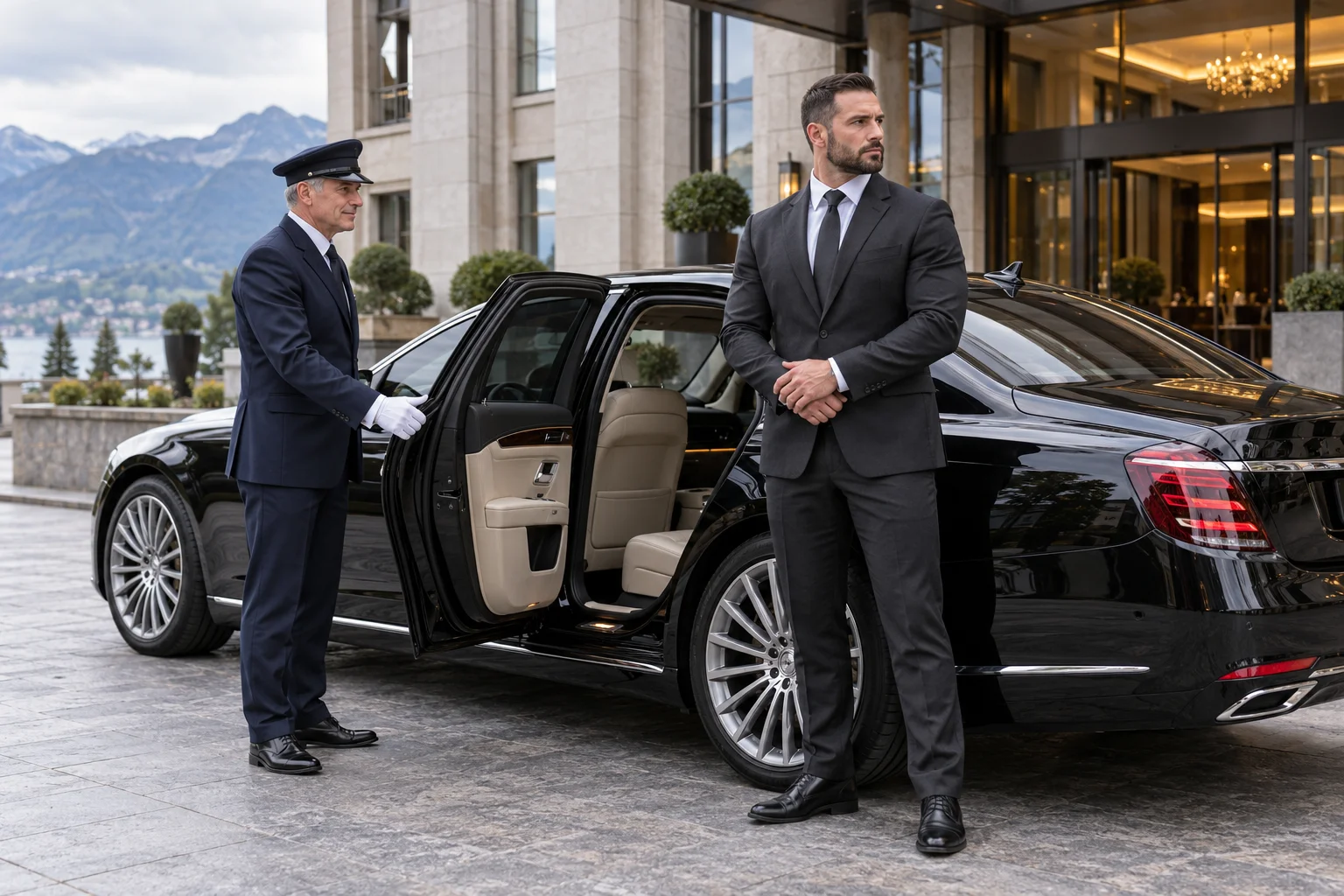
State whether the chauffeur and protection professional are two separate people and define the accepted duties of each. Do not assume a driver can also provide continuous personal accompaniment away from the vehicle. If a combined role is requested, it needs explicit review and confirmation rather than being inferred from the vehicle description. Ask the review screen or written offer to make the personnel arrangement visible rather than leaving the distinction to assumption.
Use one joined-up schedule
Provide both services with the same addresses, appointment times and authorised coordinator. The chauffeur needs passenger and luggage information, while the protection provider needs the agreed support activities and host access arrangements. A shared schedule improves coordination without requiring either provider to receive confidential material unrelated to its role. When a change affects both services, send the same corrected appointment details to each coordinator and obtain acknowledgement.
Avoid unassigned responsibilities
Luggage custody, child supervision, interpretation and venue management should not be left between the two roles. If the client needs those services, identify the responsible provider and obtain acceptance. Clear boundaries help prevent an ordinary practical request from becoming an assumed duty that nobody has agreed or is equipped to perform. The assistant should raise unusual practical requests early enough for the appropriate provider to assess whether it can accept them.
Show separate commercial lines
Protection is CHF65 per guard per hour, with a minimum eight-hour booking of CHF520 per guard. The limousine price is separate and depends on its confirmed service. The review stage should show both components clearly so the client does not mistake a personnel subtotal for the total cost of the coordinated visit. Any additional service should appear as an approved item instead of being silently added to either the vehicle or personnel role.