Identify the accompanying adults
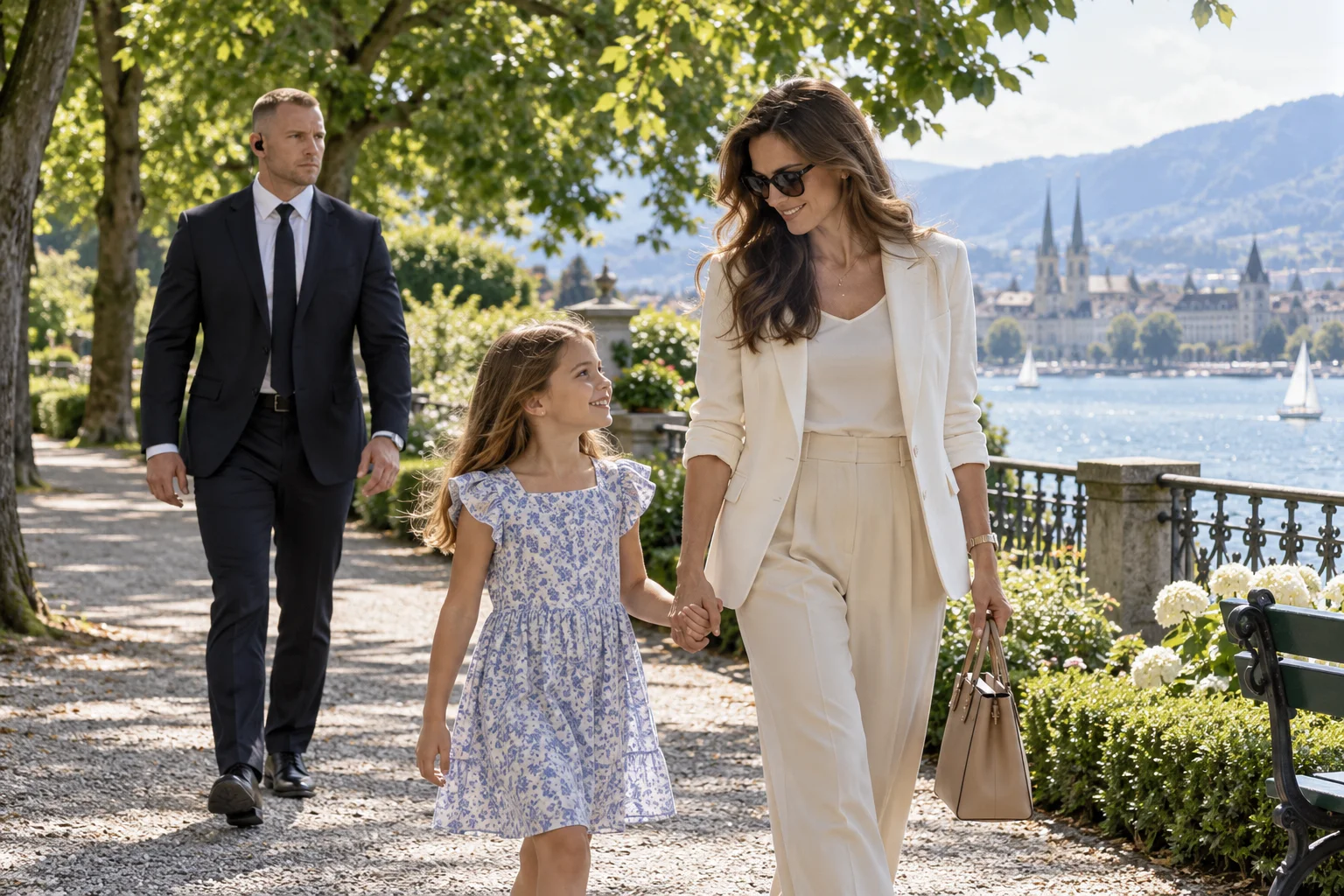
Explain which parent or authorised adult is responsible for the children throughout the programme. If the parent attends a separate meeting, describe the actual childcare arrangement rather than assuming the guard will take over. Any additional service must be requested, reviewed and confirmed by a suitable provider. If another adult takes over during the day, the parent should communicate that arrangement through the agreed family contact.
Share only practical details
Provide the information needed for transport and the agreed activities, such as child-seat requirements or a family schedule that needs extra time. Avoid circulating unnecessary personal records or detailed information about children. The nominated adult should decide what the service team needs to know and how it is shared. Use a concise practical note rather than adding children’s names or private routines to every shared version of the itinerary.
Review group movements
If the family remains together, state that in the brief. If adults and children attend different activities, explain the separation when staffing is reviewed. One professional cannot provide individual accompaniment to separate groups simultaneously, and a family vehicle booking does not define the scope of personal protection. Any plan involving separate activities should identify the accompanying adult for each group as well as the requested professional support.
Confirm vehicles and timing
Ask the limousine provider to confirm suitable capacity and requested child seats separately from the guard booking. Keep the itinerary realistic and name the adult authorised to approve changes. Personnel hours are charged independently, with the eight-hour minimum applying to each guard rather than to the vehicle’s journey duration. If the family adds passengers or changes luggage, ask the vehicle provider to review suitability before treating the change as confirmed.